Tarot Card Meanings
In this house the tarot is a mirror with 22 faces — not a crystal ball, not a fortune machine. A card can't see your tomorrow; it shows you what was already in you, waiting for a name.
✓ 60-day guarantee — if the Map tells you nothing of your own, full refund
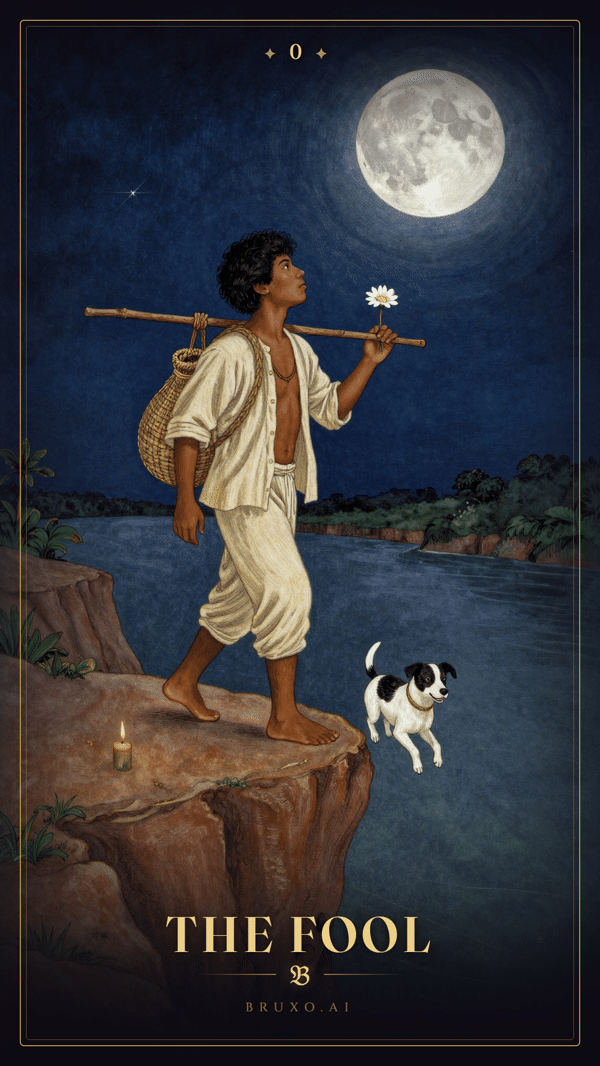 The FoolThe first step off the edge, taken before you feel ready.
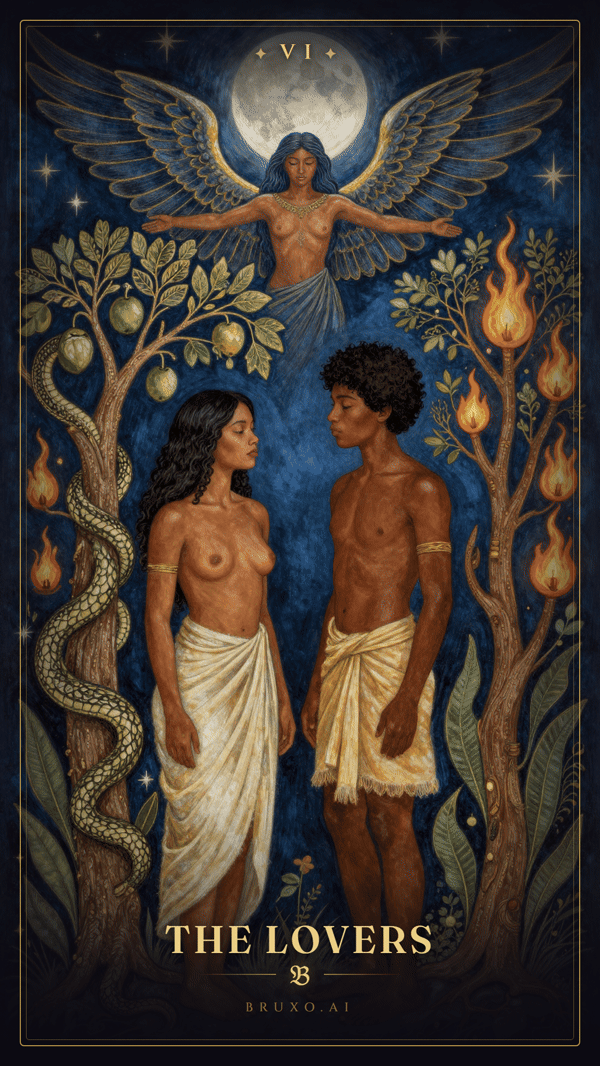 The LoversA choice dressed up as romance — it wants your whole yes.
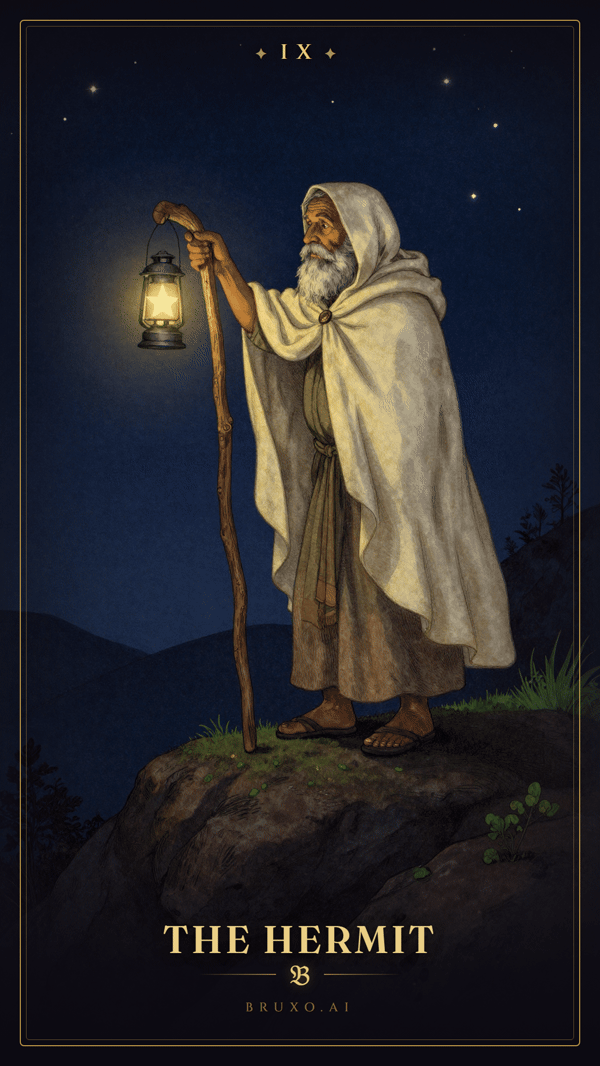 The HermitThe lamp you light when the noise stops helping.
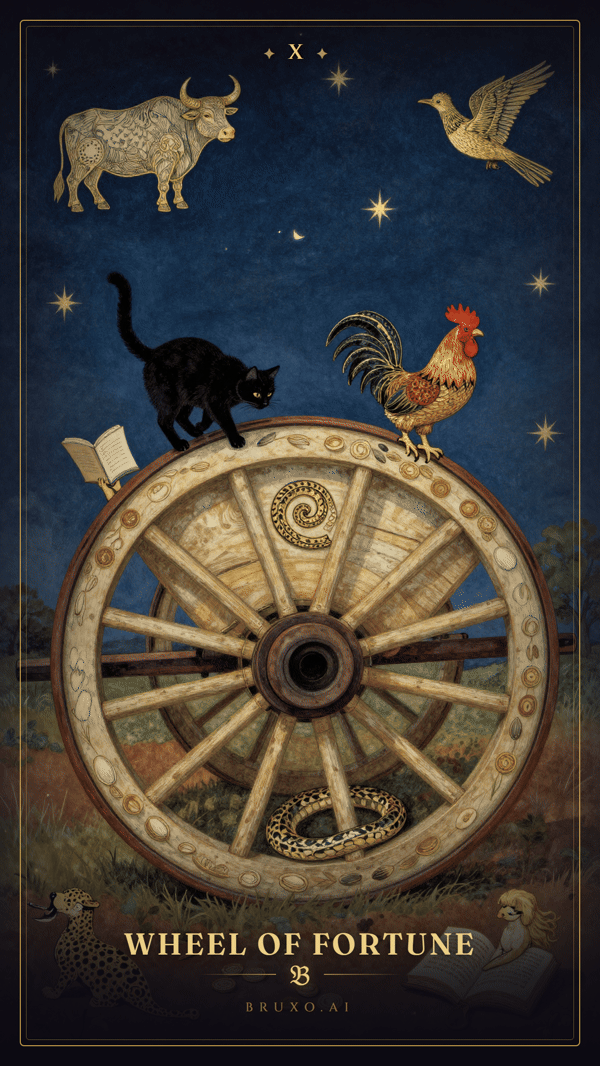 Wheel of FortuneThe turn you didn't order and can't cancel.
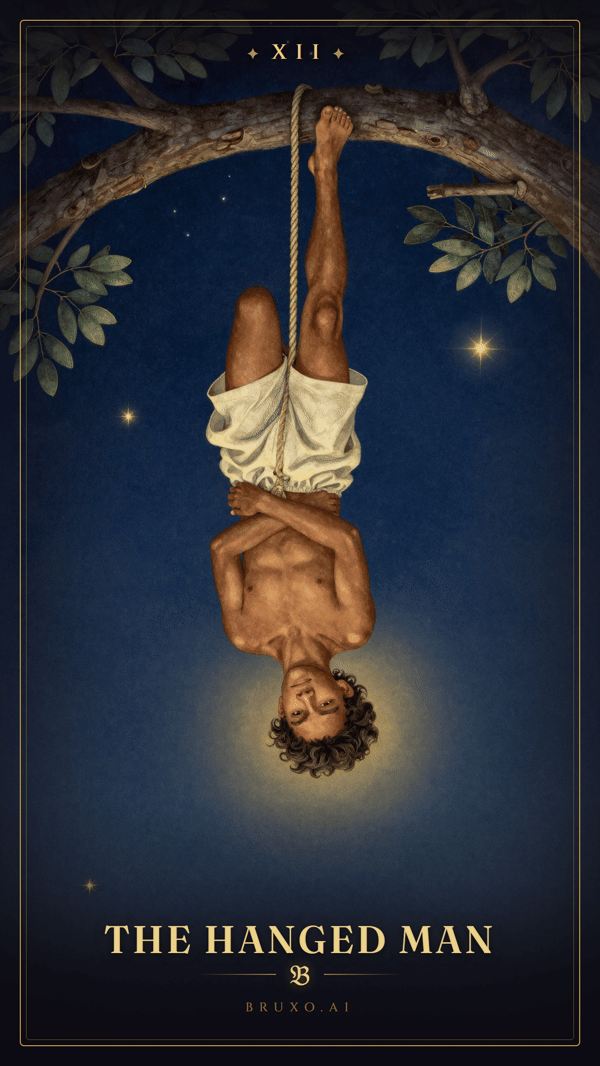 The Hanged ManStuck on purpose — the pause that shows the other side.
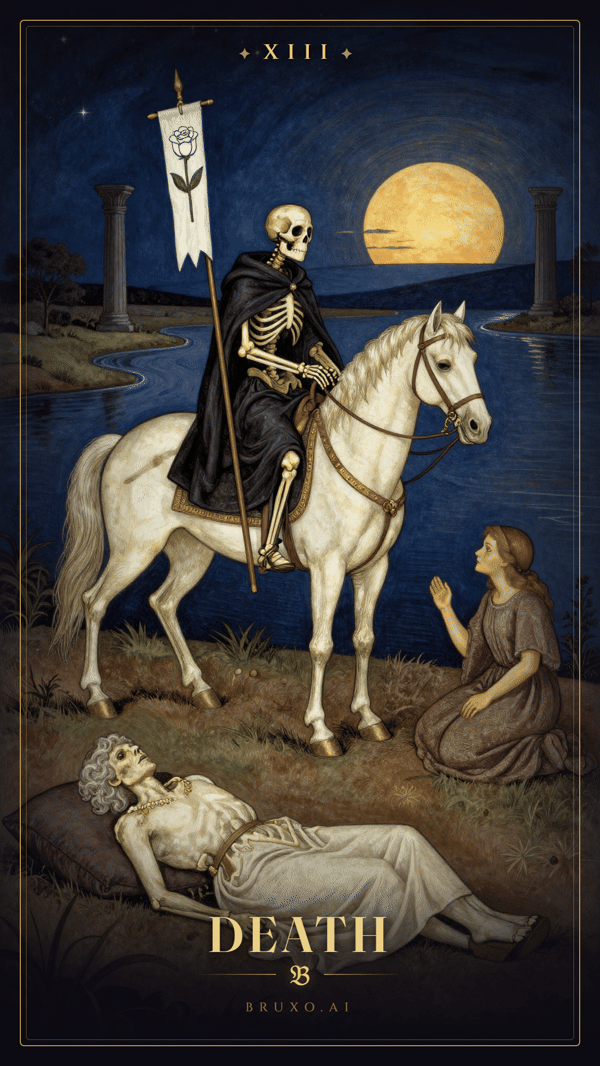 DeathNot a funeral — a door closing so another can open.
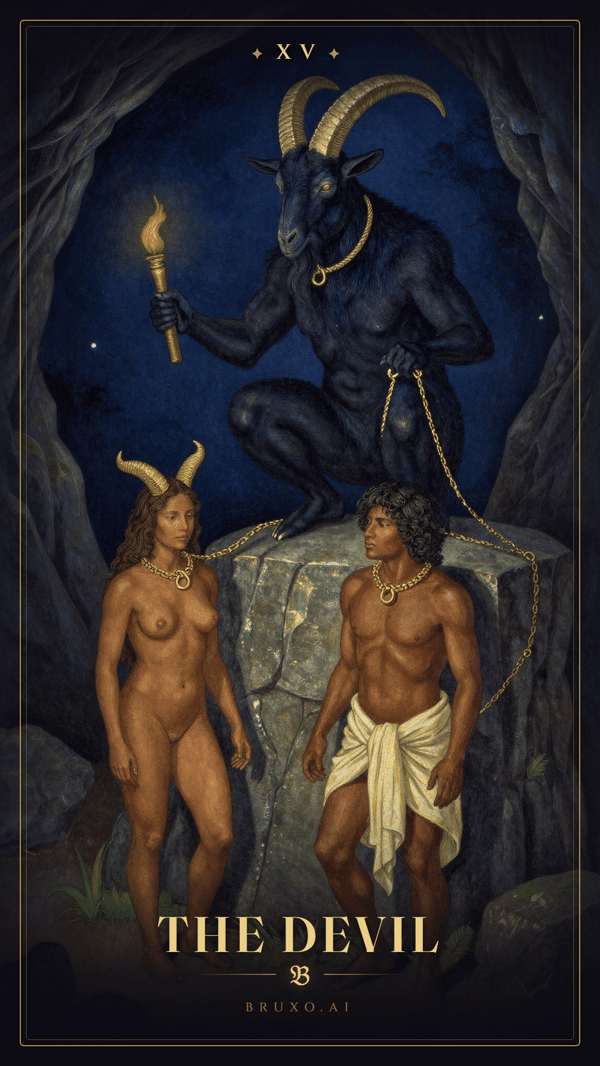 The DevilThe chains hang loose, so why haven't you slipped out?
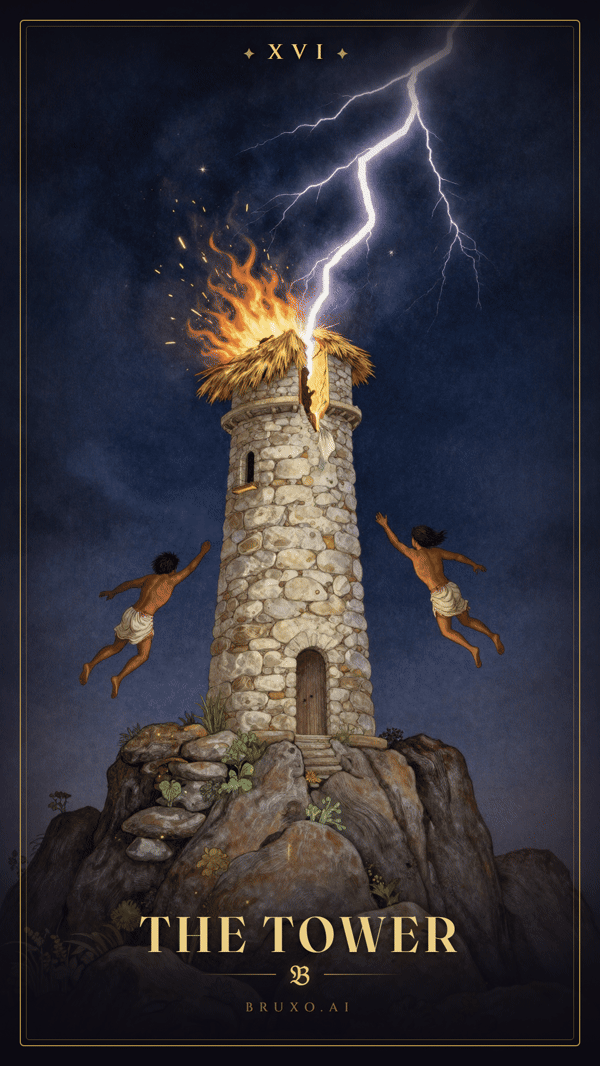 The TowerWhat fell was already cracked; the lightning just sent the bill.
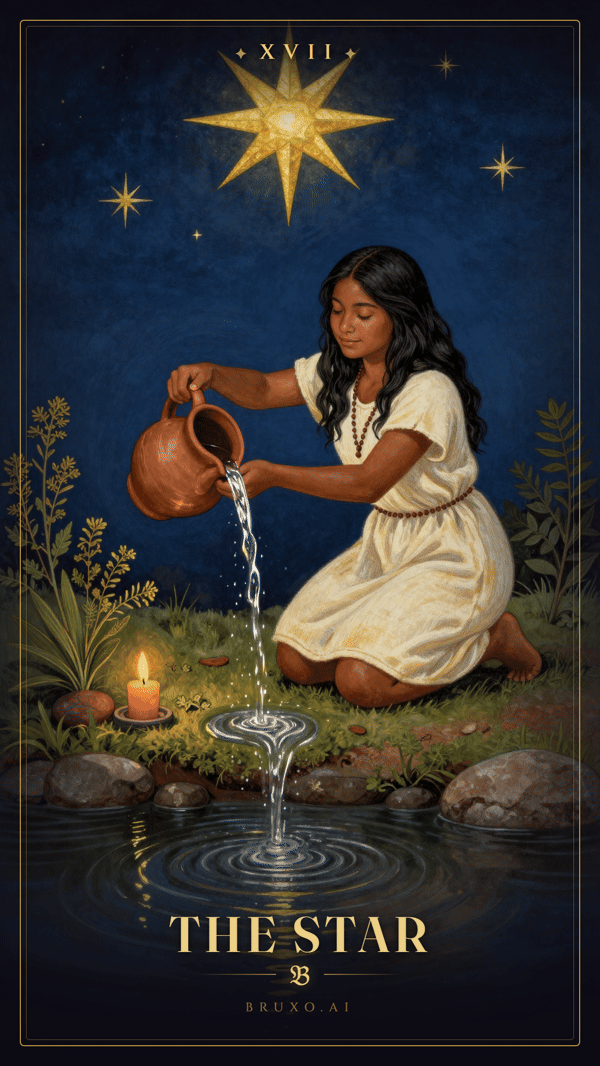 The StarQuiet water after the storm — permission to hope again.
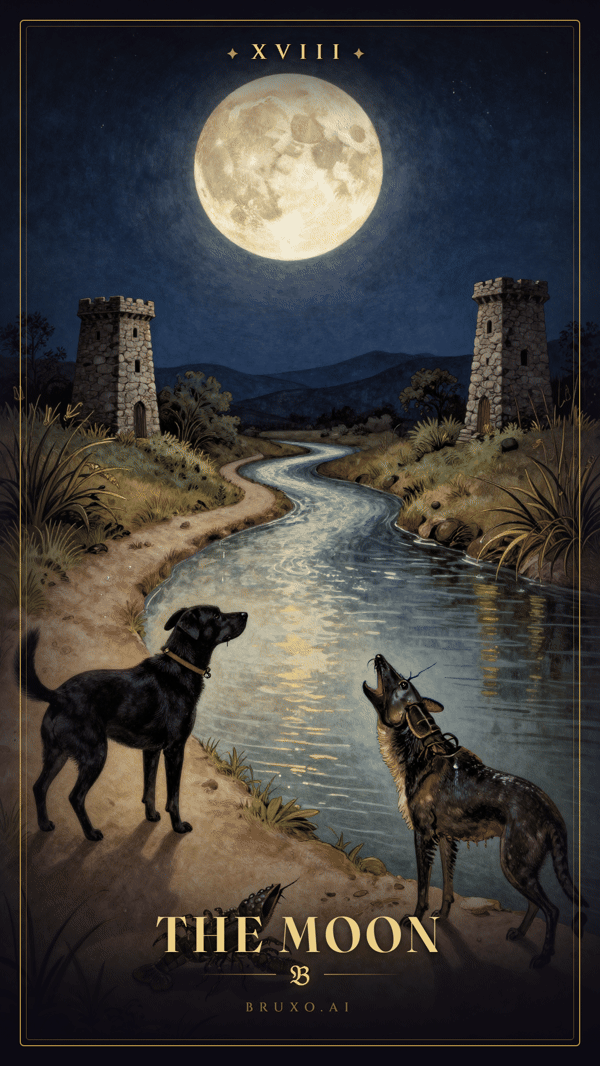 The MoonThe road at night, where nothing is quite what it seems.
The Map of the Draw
Three cards, drawn for your question. Read whole, by name. Turned into a plan with real dates. 24 pages. Yours to keep.
A private tarot reading: $60–120 · the Map at opening: $19
drawn one at a time — the bruxo reads each question alone, start to finish
You came through the cards' door — so the Map opens on your question first.
Get my Map — $13.40Secure checkout by ClickBank — card or PayPal. Your Map lands in your inbox within 24 hours.
Not medical or professional advice. For personal reflection and wellbeing. The cards are presented as declared tradition — a mirror, never a verdict or a prediction.
This is how a Map of the Draw is born
These are pages from a Map already drawn — someone else's question, with his name on it. Yours will speak of you: your cards, your plan, your ninety days.
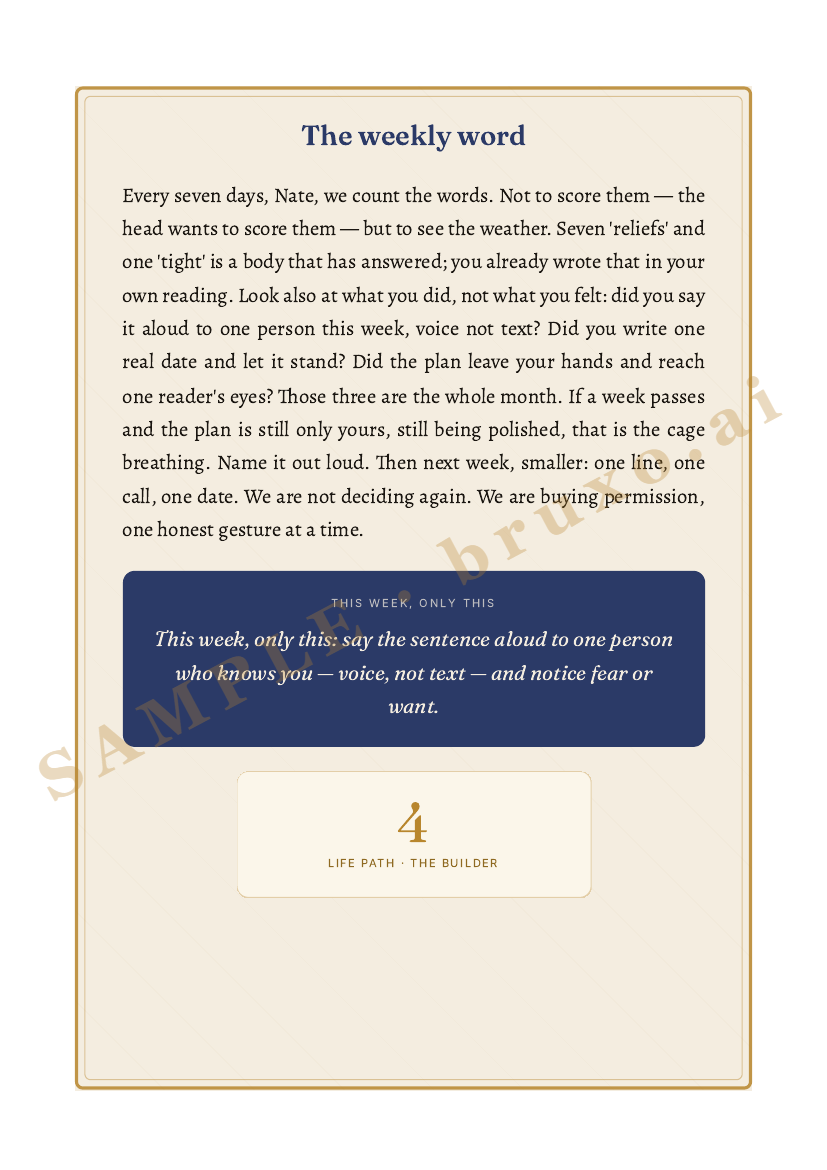 24 pages — yours will speak of you
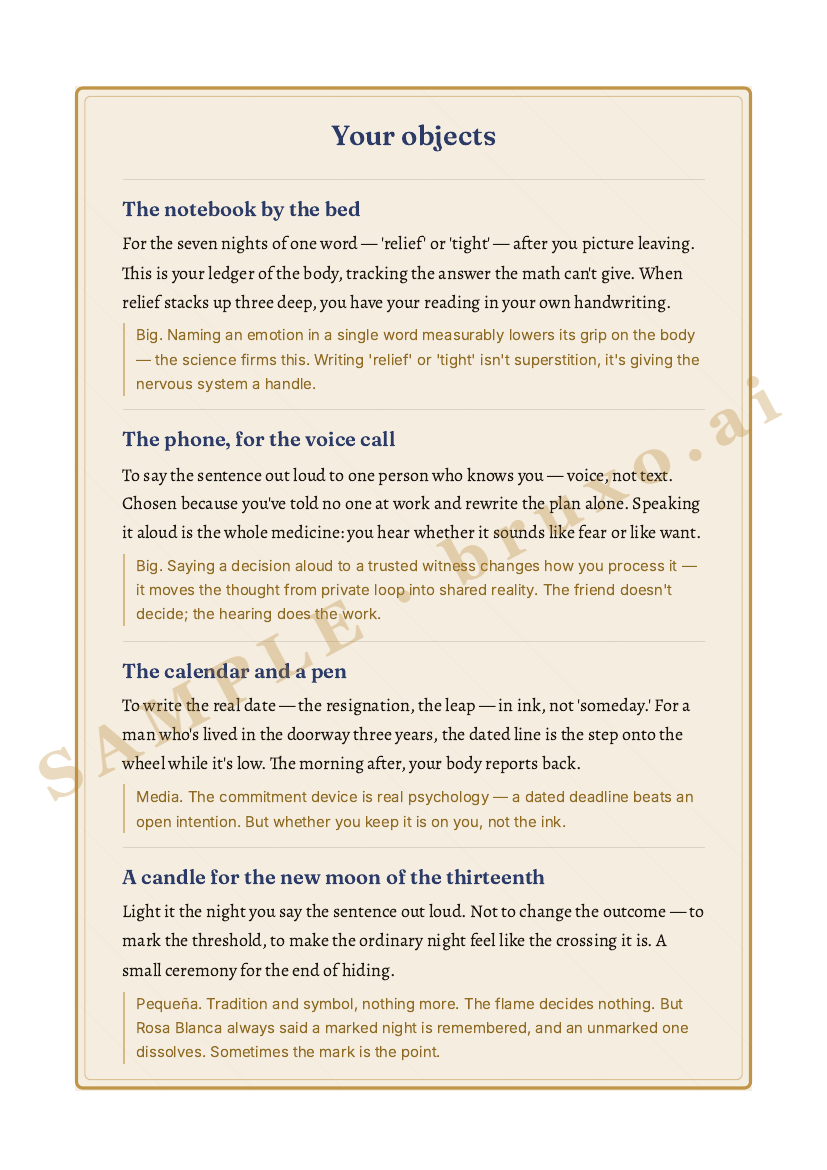 24 pages — yours will speak of you
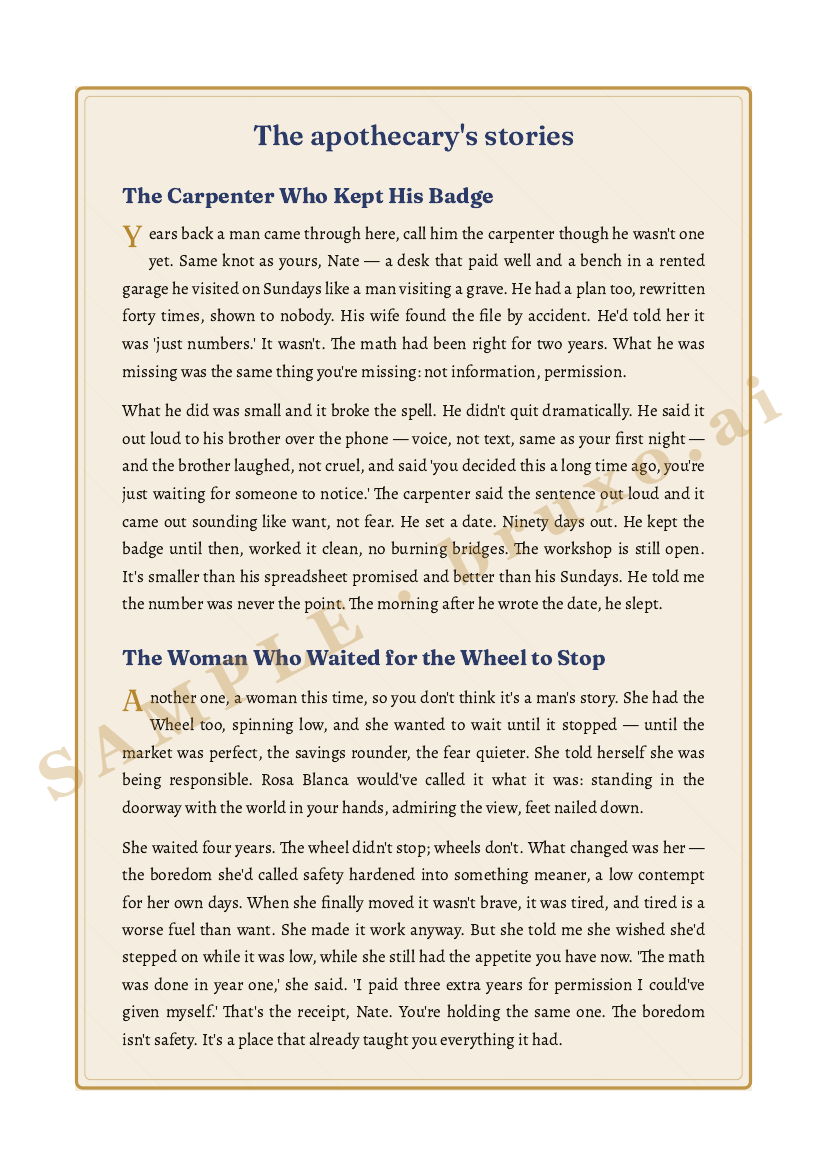 24 pages — yours will speak of you
Tap the first seven to look closer. The rest stay veiled: they belong to whoever ordered them.
How to read a card without handing it your life
Some people read tarot the wrong way, and I'll say it plain. They pull a card and let it decide for them. The Tower comes up, so they wait to lose the job. Death comes up, so they lose sleep. That is not reading. That is handing your life to a piece of paper.
In this house we do it another way. The card is a mirror with twenty-two faces. You look at one, and it hands you back something that was already yours: a fear with no name yet, a want you kept pushing down, a truth you knew and would not say. The card puts nothing in you. It only turns on the light.
My grandmother Rosa Blanca said it plainest: "The cards don't talk. You do." Fifty years at this table, and I have never caught her wrong on that.
What the major arcana are
A full tarot deck has 78 cards. Twenty-two of them are the major arcana. Those are the big ones — the cards with their own names and their own faces. The Tower. Death. The Lovers. The Moon.
The other 56 are the minor arcana, split into four suits. They talk about the day: the bill, the hard talk, the tired back. The majors talk about the big moves — a cycle closing, a wall coming down, a choice that wants all of you.
When a major shows up, tradition says the matter runs deeper than the week. Not heavier. Deeper. That's why the ten cards above each get a full page of their own.
How I lay a spread at my table
People picture smoke and whispering. My table is plainer than that. I shuffle slow. I ask you to say your question out loud, in street words, before any card moves. A question you can't say plain isn't ready to be asked yet.
Then three cards, face down. One for what you're standing on. One for what's pulling at you. One for what you're not looking at. I turn them over one at a time, and I don't tell you what they mean first. I ask what you saw. Where your eye went. What made your stomach drop.
That's the reading. The cards open the door. You're the one who walks through it — or doesn't. Both answers count.
Does tarot really work? The honest answer
Here is the truth with no perfume on it: no card knows your future. Not one. Nobody has ever proven a deck can see tomorrow, and whoever promises that is selling you something else.
So why does a reading hit so hard? Because you bring the meaning with you. You look at the Tower and your own trouble looks back at you. That's not a cheap trick. That's the oldest tool there is — a picture strange enough to pull out what you were hiding from yourself.
Does it work, then? As a fortune, no. As a mirror, yes — if you're willing to look. The card can't do your part for you.
There are no bad cards
People fear Death, the Devil and the Tower. I understand it. But there is no bad card in this deck — only cards that sit uncomfortable. What falls in the Tower was already cracked. What ends with Death was already over. The card just says it out loud before you were ready to.
There's a name for why a vague reading feels personal: the Forer effect, measured in labs since 1949. If a text fits you, your mother and your boss all the same, it isn't reading you — it's flattering you. What a card really does is give your mind a screen: psychologists call it projection; I call it the mirror doing its job. The useful part of a reading is the part that stings a little and is specific. Everything else is perfume.
The old story — and it is a story, a legend, not a proven fact — says the 22 majors draw one long road. The Fool leaves home at zero, and the World takes him back at twenty-one, whole. Every card in between is a stop on that road: the meeting, the fall, the silence, the turn. The old folks kept the tale because it says something true in a beautiful way — nobody crosses a life without passing through all of them.
Questions that reach the apothecary
Does the Death card mean someone is going to die?
Can tarot cards predict the future?
What is the strongest card in the tarot?
So now you have the map of the 78 — what each arcanum says when it lands, and why the same card never means the same thing twice.
But one card is a mirror; the draw is the conversation. Bringing your own question to the table — the full spread read around it, start to finish — is the Map of the Draw: 24 pages read on your question alone, yours for good.
The card has spoken. The conversation is still waiting.
Open my Map — $13.40Secure checkout by ClickBank · 60-day guarantee · no rush: the apothecary door doesn’t close.